|
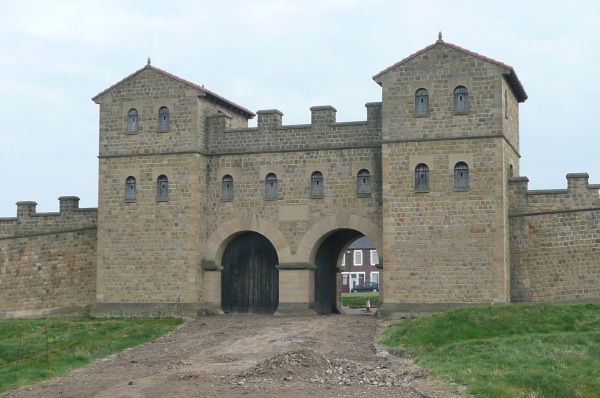
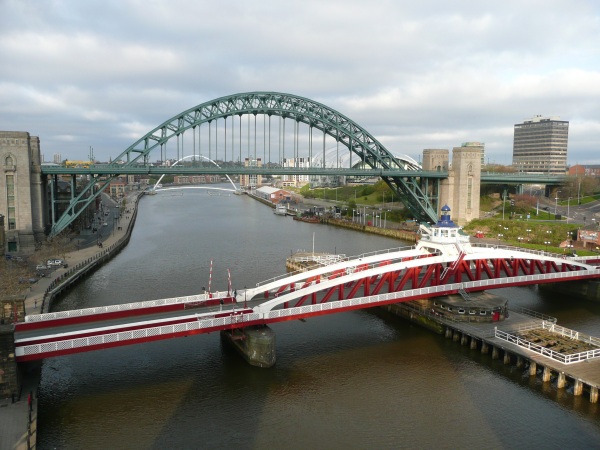
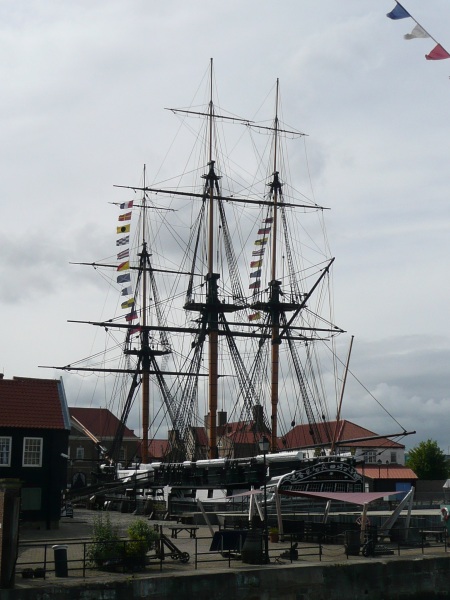
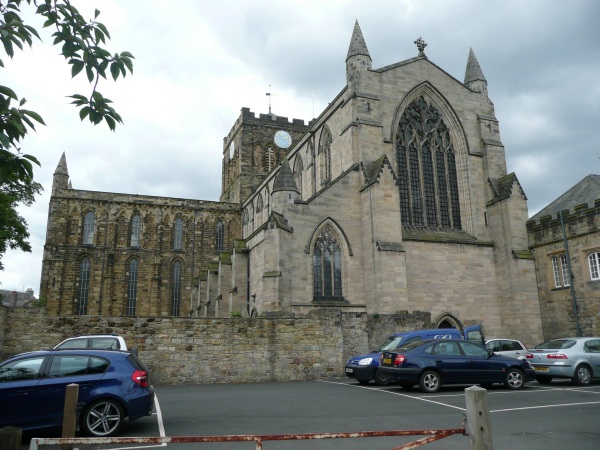
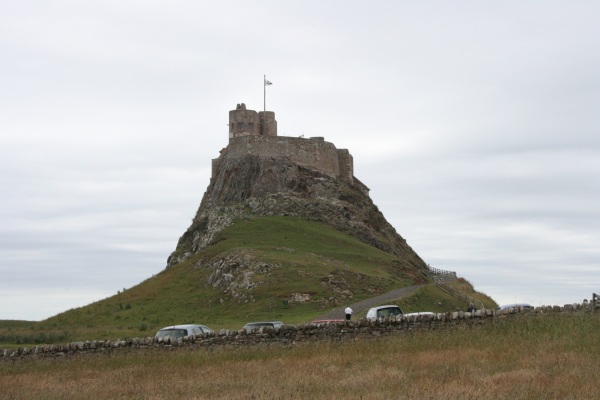
Photographs of North East EnglandClick on an image to see the full picture |
|
|
North-East England is one of the nine official regions of England and comprises the
combined area of Northumberland, County Durham, Tyne and Wear and Tees Valley. The historic
name for North-East England is Northumbria. In Anglo-Saxon times it covered the area from the
river Humber in the south to the river Forth in the north. It
shrank to the current size when the Earldom of Northumbria was eventually recognised as part
of England by the Anglo-Scottish Treaty of York in 1237. It now stretches from the River Tees
in the south to the River Tweed in the north.
|
|